
Catering.
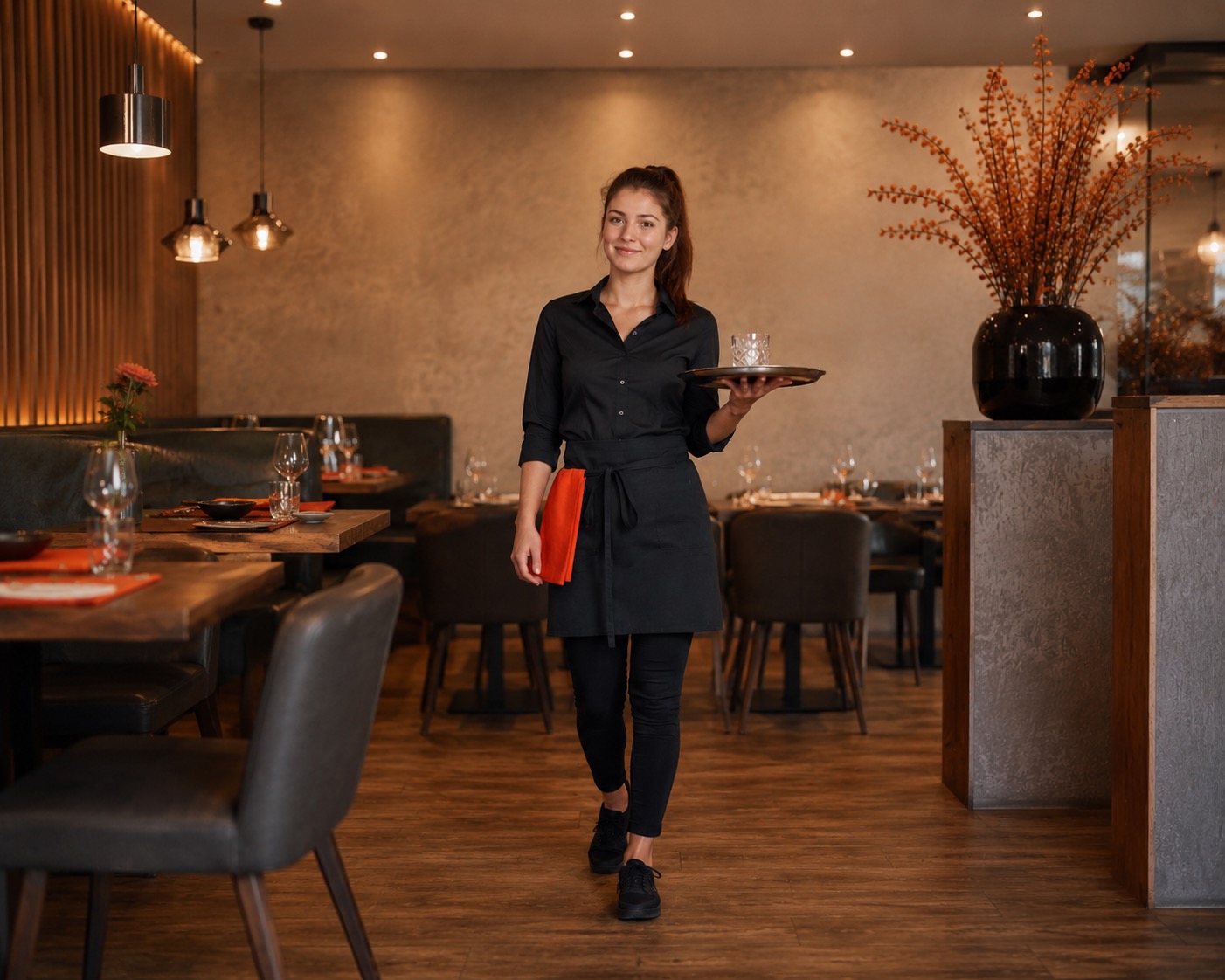
Restaurant, hotel, banquet or bar: in hospitality, you are where the action is. You serve, pour drinks, set tables and make sure guests feel welcome – in shifts that fit your week. Experience helps, but is not essential.

THIS AWAITS YOU
Typical tasks in the hospitality industry.
The duties required are listed before each shift. This means that, when you accept, you already know whether it is service, bar or washing-up – and only take on what suits you.
1
SERVICE
Receiving and serving guests
You welcome guests, show them to their table, take orders and serve food and drinks – together with the establishment’s permanent team.
2
BAR
Prepare and serve beverages
Coffee, soft drinks, draught beer, simple mixed drinks: at the bar or drinks station, you prepare and serve beverages.
3
BANKETT & EVENT
Supervising buffets and banquets
At weddings, conferences or corporate events, you set up buffets, replenish them, clear away and serve menus course by course.
4
PREPARATION & FOLLOW-UP
Setting and clearing the table
Set the tables, polish the cutlery, fold the napkins – and clear away after service and prepare the dining area again.
5
TILL
Cash out guests
With some experience, you will take charge of your own section and process your guests’ payments yourself, usually via a till system or handheld device.
6
KITCHEN
Help out in the kitchen
Dishwashing area, sorting crockery, simple preparation tasks such as chopping vegetables or plating desserts – always under the supervision of the kitchen staff.
In short: without experience, you usually start at the buffet, drinks station or clearing tables. With each shift, more tasks are added – until you have your own section.
Particularly suitable for you if …
you enjoy being around people
No evening is like any other: you are constantly meeting new guests and working hand in hand with the team.
you have time in the evenings and at weekends
Most hospitality shifts take place precisely when university, school or one’s main job is on break.
you like tempo
When the place is busy, every move counts. Those who can keep track of everything are well suited to the hospitality industry.
you want to get to know different places
From the city restaurant to the hotel to the wedding at the manor house. Or you stay with your favourite establishment and become a permanent member of staff there.
NO TRAINING REQUIRED.
What you should bring with you.
You don’t need any hospitality training. What matters more is how you treat guests – the team on site will show you the rest during your first few shifts.
Kindness and good manners
You approach people openly and remain friendly, even when things get hectic.
Reliability
You arrive punctually at the start of your shift. The company relies firmly on you – and is happy to book you again.
Good condition
You are on your feet for many hours, carrying trays, glasses and crockery.
Good German in guest contact
For taking orders and speaking with customers, you should be able to communicate well. English is an advantage when dealing with international guests.
Black and white clothing
Usually black trousers, a white shirt or white blouse, and comfortable black shoes. Your assignment information states exactly what is required.
Important for foodstuffs: Anyone who works commercially with food needs to receive instruction in accordance with Section 43 of the Infection Protection Act before their first shift (formerly known as a “Gesundheitszeugnis”). You can obtain this from the public health department, and in many cities also online.
When, where and with whom you work.
Catering is teamwork. So that you know what to expect, here is the most important information about working hours, locations and the team.
Working hours
Most shifts are in the evenings and at weekends, with breakfast and conference shifts also taking place in the mornings. You can see how long a shift lasts before accepting it.
Locations of deployment
Restaurants, hotels, conference venues and event locations in your town and the surrounding area. You will receive the address and contact person with the shift.
Who you work with
You work alongside the company’s permanent staff, often together with additional Staff Eins personnel at larger events.
No pressure: you only accept shifts that fit your schedule. If you like working at a company, you can become a regular member of staff there – with fixed shifts alongside familiar people.
CURRENT JOBS
Vacancies in the hospitality industry.
Here you can find current job vacancies in hospitality and tourism. Use the search and filters to tailor the selection – for example, to your city. If there is nothing suitable at the moment, reset the filter – then you will see all current jobs.
10 min.
to register
How to get to your first catering shift
Register
A few details and 5 mobile phone photos, no CV required.
Review & Contract
Real people review your documents by the next working day. Your employment contract is created based on your details – directly with the company you work for.
Choose Your Shifts
You can see all available appointments and accept whatever fits. One-time or every week at the same company.
Work & Money
Confirm your hours, done. With Staff-Eins payout, your money is guaranteed – with Blitz shifts, as early as the next working day.
Frequently asked questions about catering jobs
Do I need experience in the hospitality industry?
No. For a start, shifts at the buffet, drinks station or clearing tables are suitable. The team on site will show you how things work there.
What should I wear?
As a rule, black trousers, a white shirt or white blouse, and comfortable black shoes. Any deviations or provided clothing are stated in the shift details.
Do I need a health certificate ("Gesundheitszeugnis")?
To work with food, you need instruction in accordance with Section 43 of the Infection Protection Act – the successor to the health certificate. You can obtain it from the public health office, often online as well.
How much do I earn?
At least €16 per hour, for every shift. Some employers also pay additional supplements for night, Sunday or public holiday work – you will see this before accepting.